
Blog | Performing Arts Careers: Where Could Your Course Take You?
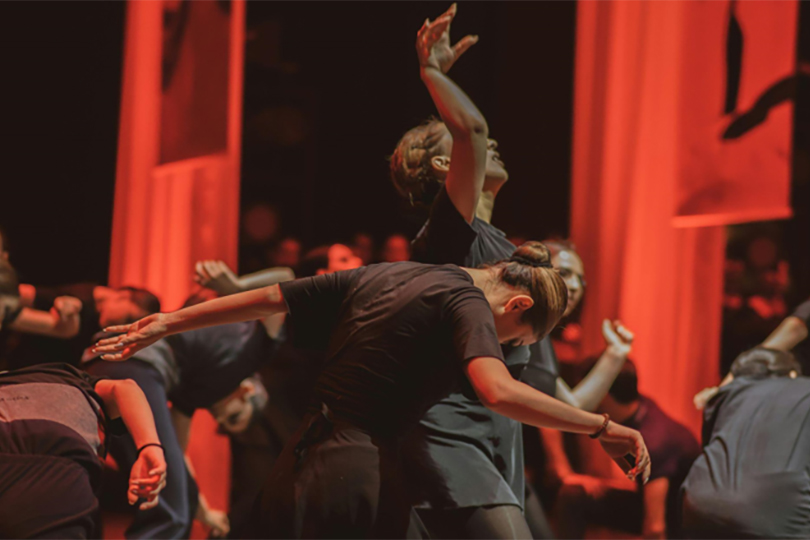
A Performing Arts course can open the door to a wide range of creative careers, both on stage and behind the scenes. While many people think of performing arts as acting, singing or dancing, the industry is much broader than that. It includes theatre production, costume, set design, props, lighting, sound, film, television, live events, education, community arts and creative business roles.
At Chelmsford College, Performing and Production Arts courses offer a practical introduction to acting, theatre production, costume, set design and props, helping learners explore both performance-based and technical career routes. The College offers UAL Level 2 and Level 3 Performing and Production Arts courses, with progression routes into higher education, apprenticeships or entry-level roles in the creative industry.
Acting & Performance Careers
One of the most recognised routes from a Performing Arts course is acting. This could involve performing in theatre productions, television, film, commercials, radio, voiceover work or online media.
Possible performance careers include:
• Actor
• Theatre Performer
• Screen Actor
• Voiceover Artist
• Radio Performer
• Musical Theatre Performer
• Presenter
• Background Artist or Supporting Artist
• Children’s Entertainer
• Live Event Performer
A UAL Performing Arts course helps you develop confidence, vocal control, movement, character development and storytelling skills. These are essential for auditions, rehearsals and live performances. Even if you do not go straight into acting, these skills can support careers where communication and confidence are important.
Dance, Movement & Choreography
For learners who enjoy physical performance, there are also routes into dance and movement-based careers. This could include live theatre, music videos, cruise ships, holiday parks, events, teaching or community performance.
Career options could include:
• Dancer
• Choreographer
• Movement Director
• Dance Teacher
• Fitness or Dance Instructor
• Physical Theatre Performer
• Workshop Leader
• Community Dance Practitioner
Choreographers and movement directors help create routines and shape how performers move on stage or screen. This route is ideal for learners who enjoy combining creativity, discipline and physical expression.
Theatre Production & Stage Management
Not every performing arts career involves being in the spotlight. Behind every successful production is a team of people making sure everything runs smoothly.
Stage Managers, for example, coordinate productions and help manage the process from rehearsals through to performance. This can include organising schedules, supporting performers, managing props, communicating with technical teams and ensuring the show runs correctly.
Career paths include:
• Stage Manager
• Assistant Stage Manager
• Deputy Stage Manager
• Production Assistant
• Production Manager
• Theatre Technician
• Rehearsal Assistant
• Tour Manager
• Events Coordinator
These roles are well-suited to people who are organised, calm under pressure and good at working with others.
Costume, Wardrobe & Make-Up Careers
The performing arts are also closely connected to costume, wardrobe, hair and make-up. These roles help bring characters, settings and stories to life visually.
Possible career routes include:
• Costume Designer
• Wardrobe Assistant
• Costume Maker
• Dresser
• Hair and Make-up Artist
• Special Effects Make-up Artist
• Wig Assistant
• Fashion or Styling Assistant
• Theatre Wardrobe Manager
Chelmsford College’s Performing and Production Arts courses include areas such as costume, set design and props, giving learners a chance to explore creative production skills alongside performance.
These roles can lead to theatre, film, television, fashion, events, photoshoots, music videos and live entertainment.
Set Design, Props & Scenic Art
If you enjoy visual design, construction, drawing, painting or making things, performing arts can lead to set, props and scenic design.
Career options include:
• Set Designer
• Prop Maker
• Props Assistant
• Scenic Artist
• Model Maker
• Theatre Designer
• Exhibition Designer
• Art Department Assistant
• Production Designer for Film or TV
Set designers and prop makers help create the world of a performance. This could be anything from a realistic living room on stage to a fantasy environment for film or television. These careers often suit learners who enjoy practical, hands-on creative work.
Lighting, Sound & Technical Theatre
Technical roles are another major part of the performing arts industry. These careers involve using equipment, planning effects and supporting live or recorded productions.
Possible roles include:
• Lighting Technician
• Sound Technician
• Audiovisual Technician
• Theatre Technician
• Lighting Designer
• Sound Designer
• Rigging Assistant
• Video Technician
• Live Events Technician
Technical roles can also extend beyond theatre into concerts, festivals, conferences, live events, broadcasting, corporate events and entertainment venues too.
Film, TV & Media Careers
Performing arts skills are also valuable in screen-based industries. Learners may move into acting for the camera, presenting, directing, production or content creation.
Career routes could include:
• Film Actor
• TV Actor
• Presenter
• Screenwriter
• Film Director
• Assistant Director
• Runner
• Production Assistant
• Casting Assistant
• Content Creator
• Voice Artist
• YouTube or Social Media Performer
The rise of online platforms has created more opportunities for performers and creatives to produce their own content, build audiences and develop independent careers.
Directing, Writing & Creative Development
Some learners may prefer shaping the story rather than performing it. A Performing Arts course can help develop skills in scriptwriting, storytelling, character development and creative direction.
Possible careers include:
• Theatre Director
• Film Director
• Assistant Director
• Playwright
• Screenwriter
• Script Editor
• Dramaturg
• Creative Producer
• Workshop Creator
These careers often involve combining creative ideas with leadership, communication and planning.
Arts, Events & Festival Careers
Performing arts skills are also useful in the wider events and entertainment industry. This includes festivals, concerts, exhibitions, corporate events, immersive experiences and community events.
Possible roles include:
• Events Assistant
• Events Manager
• Festival Coordinator
• Entertainment Coordinator
• Venue Assistant
• Front of House Manager
• Box Office Assistant
• Visitor Experience Assistant
• Live Events Producer
These roles can suit learners who enjoy performance, people, organisation and fast-paced environments.
Community Arts & Education
The UAL Performing Arts courses can also lead to careers that support others through creativity. This could include working with schools, youth groups, charities, community organisations or wellbeing projects.
Career options include:
• Drama Teacher
• Performing Arts Teacher
• Workshop Leader
• Community Arts Worker
• Youth Theatre Leader
• Drama Therapist
• Dance Teacher
• Museum or Arts Education Officer
• Outreach Coordinator
The prospect list includes community arts worker, theatre director, theatre manager, stage manager, arts administrator, teacher, special effects technician, talent agent and writer, among the roles connected to performing arts study.
These routes are ideal for learners who want to use creativity to educate, inspire and support others.
Arts Administration, Marketing & Business
The creative industries also need people who can manage, promote and organise projects. If you enjoy performing arts but are also interested in business, marketing or management, there are plenty of options.
Possible roles include:
• Arts Administrator
• Theatre Administrator
• Marketing Assistant
• Social Media Assistant
• Talent Agent
• Casting Assistant
• Fundraising Assistant
• Theatre Manager
• Creative Project Coordinator
• Box Office Manager
• Producer
These roles help productions, venues and creative organisations reach audiences, sell tickets, manage budgets and deliver successful projects.
Transferable Skills from Performing Arts
A Performing Arts course not only prepares you for creative jobs. It also helps you build transferable skills that employers value across many industries.
These skills include:
• Confidence
• Teamwork
• Communication
• Creativity
• Problem solving
• Public speaking
• Time management
• Resilience
• Organisation
• Adaptability
• Critical thinking
These skills can support careers in teaching, marketing, media, events, customer service, leadership, business and many other areas.
Where Could Your Course Take You Next?
A Performing Arts course can lead to many different futures. Some learners may progress to university or drama school. Others may move into apprenticeships, entry-level jobs, freelance work, teaching, technical theatre, film, TV, events or creative business roles.
Chelmsford College’s Performing and Production Arts courses are designed to help learners build practical experience through workshops, rehearsals, live briefs and real-world projects, while developing creative portfolios and industry awareness.
Performing Arts Courses at Chelmsford College:
• UAL Level 2 Award and Diploma in Performing and Production Arts
• UAL Level 3 Diploma and Extended Diploma in Performing and Production Arts
Whether you want to perform on stage, work behind the scenes, create costumes, design sets, manage productions or support the next generation of performers, studying Performing Arts can help you take the first step towards a creative and rewarding career.