
Blog | College vs Sixth Form: Which Should You Pick After GCSEs?
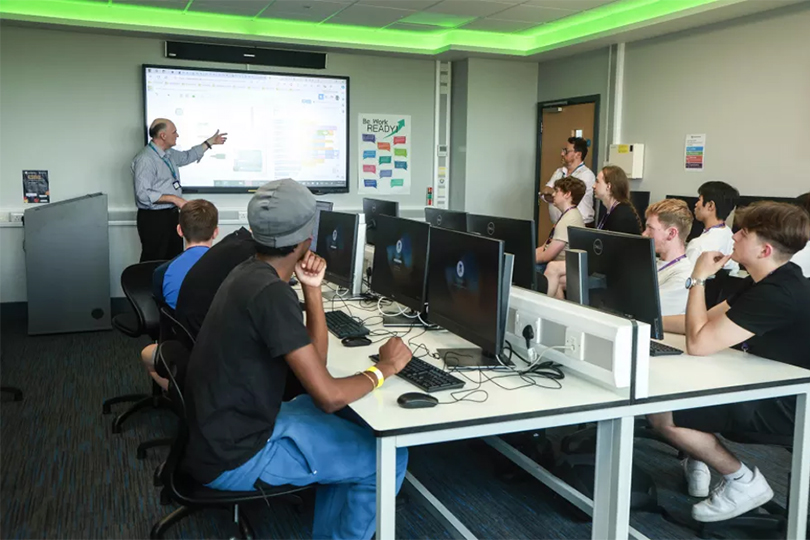
If you’re in Year 11, you’re probably starting to think seriously about what comes next. For many students, that means choosing between Sixth Form and College, two great routes that can both lead to university, apprenticeships or full-time work.
But how do you know which one’s right for you? Let’s explore the main differences, the pros and cons of each and how to make a decision that sets you up for success.
Sixth Form: Continuing the School Journey
Sixth Form is usually attached to a secondary school, so it’s a familiar next step after GCSEs. You’ll likely know many of the teachers, follow a structured timetable and study mainly academic subjects, such as A-levels, which are a route for students aiming for university. Some Sixth Forms also offer BTECs or similar qualifications, but the environment tends to remain quite formal and school-like.
Advantages of Sixth Form:
• Familiar teachers, classmates, and structure are good for students who like consistency.
• Strong focus on academic qualifications such as A-levels.
Things to Consider:
• Fewer subject choices and limited flexibility in timetables.
• A more formal, rule-based environment that might feel restrictive.
• Not always ideal for students who prefer hands-on or practical learning.
Further Education College: Independence, Flexibility, and Variety
Further Education College offers a different kind of experience, one that feels more independent, mature and adaptable. Colleges offer a wider choice of courses, from T Levels (equivalent to 3 A-levels and including work placements) to vocational qualifications, apprenticeships, and practical qualifications.
It's a fresh start where you can meet new people, explore new subjects and take more control of your own learning.
Advantages of College:
• A wide range of courses and pathways, academic, practical and vocational.
• Greater flexibility in your timetable and subject combinations.
• A more adult, relaxed environment that encourages independence.
• Perfect for exploring careers and building real-world skills.
Things to Consider:
• You’ll need to manage your own workload; there’s less supervision.
• You may miss the structure and familiarity of school life.
Sixth Form vs College: Quick Comparison
| Feature | Sixth Form | FE College |
|---|---|---|
| Environment | Part of a school with a structured, familiar setting. | Separate institution with a more independent, adult atmosphere. |
| Age Group | Mostly 16–18-year-olds (Years 12–13). | A mix of ages, including adult learners. |
| Courses | Focus on A-levels and some BTECs. | Wide choice: T Levels, vocational diplomas, apprenticeships and more. |
| Atmosphere | Formal, with clear rules and expectations. | Relaxed and student-focused, encouraging independence. |
| Flexibility | Limited subject combinations and fixed timetables. | Highly flexible, with varied study options and schedules. |
Thinking Ahead: Start with Your Future Goals
If you already have an idea of the kind of career you’d like to pursue, it’s a great idea to work backwards from there. Research the qualifications or skills required for that career and then look into which schools or colleges offer them.
You might discover that certain specialist or career-focused courses, such as health and fitness, engineering, childcare or creative media, are only available at colleges, not Sixth Forms. This can make your decision more straightforward, as your future goal will guide your next step.
If you’re unsure about what you want to do yet, don’t worry, that’s completely normal. Take time to speak with a careers advisor at your school or local college. They can help you explore different pathways, explain what qualifications lead to which jobs and point you towards courses that match your interests and strengths.
Even a quick chat can give you valuable insight into the options available and where they could lead, helping you make a more confident, informed decision.
So, Which Should You Choose?
There’s no one-size-fits-all answer. If you prefer structure, smaller classes, and an academic focus, Sixth Form might suit you best. But if you’re looking for more independence, variety and practical learning that prepares you for both university and the workplace, College could be the better fit.
The key is to think about how you learn best and what environment will help you reach your full potential.
Final Thoughts
Choosing between College and Sixth Form is a big decision, but it’s also an exciting one. Take your time to visit open days, speak to tutors and careers advisors and compare course options. Remember, this is your future, and whichever path you choose, it’s about finding the one that feels right for you.
Chelmsford College, Moulsham Street, Chelmsford, CM2 0JQ
Tel: 01245 265611